
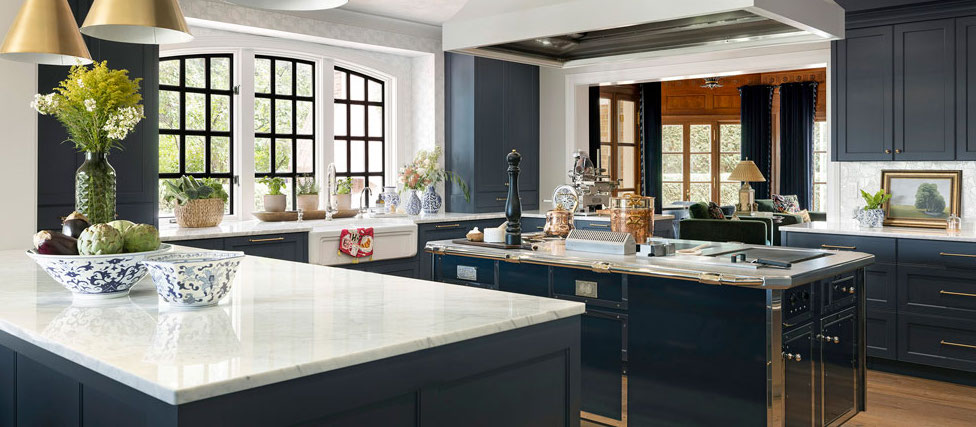
The most successful interior designers and architects have leveraged influence as a strategy.
But “building influence” can feel like a vague directive. Influence in what? Where? For whom? If we want to create a plan and take action, categories matter.
Influence is an infrastructure that is built deliberately, across a constellation of distinct channels—each with its own rules, its own gatekeepers, and its own payoff.
This is not necessarily about fame.
From a practical business perspective, influence is the lever that allows your firm to be more selective, fills your pipeline with better clients, allows your creative work to deepen, and builds a brand that doesn’t compete on price.
Here are the 8 modern categories of influence every interior designer and architect should know. But first…
Q: Is the intention to leverage all 8 categories?
A: No. Although we can all think of a few examples who do, that’s rare. Going all-in on a few well-chosen categories of influence will transform a firm and reveal new opportunities.
Q: What if our only goal is to attract great clients?
A: Then influence is your best friend. Yes, we’re talking about creating visibility in the classic sense, but more importantly, these eight categories are tools that help get you recommended by ChatGPT and other large language models.
When a potential client asks for an interior design or architecture recommendation in a competitive market, features in magazines, awards, licensing, and other elements within “the magic 8” will absolutely increase your chances of being recommended. (This statement is based on data. We’ve tested it!) AI is baked into every type of online search now—so we’re talking about reaching all ages and all levels of net-worth.
Fact: Influence is a huge advantage in pretty much every possible way.
1. Print + Editorial
There is still nothing quite like print for building authority. A spread in Architectural Digest, Veranda, House Beautiful, Elle Decor, or a beloved regional publication carries a strong sense of legitimacy—not because print is necessarily more seen than a viral IG post or a paid digital ad, but because editorial placement signals that a third party with high standards chose YOU.
Getting published repositions you in the mind of prospective clients. It raises the implied price point of your work before you even get on a call.
Both print and digital editorial coverage create evergreen assets—a recognizable publication logo, a digital link, a cover image, etc.—that you can use across every other channel for years.
The business case is direct: 1. Published designers attract clients who come in having seen your work in a context that communicates competence. 2. A high-profile feature will impact your visibility in AI search engines almost immediately.
Considerations:
Getting published in print publications—particularly in the national magazines—is famously difficult. There are spoken and unspoken rules, gatekeepers, and required levels of quality and creativity. National publications are looking for work that feels decidedly interesting, which requires the right client, and a project often needs to fall within the themes that are being explored for a particular issue—from color to seasonality to whatever else they’ve got planned.
That being said, the designers who’ve done it will tell you that they were not afraid to pitch, network, follow advice, and hire assistance as needed. Want help? Join us at the next Design Influencers Conference—March 1-3, 2027, in Atlanta.
- Once it happens, print features and other editorial coverage should be leveraged for maximum benefit. You’ll want to use every marketing channel at your disposal, from social media to email to your own website, to keep your feature visible. The image or story that you remember is not necessarily the one that you held in your hand. It was probably served to you via email, Instagram, and beyond.
2. Awards
Awards create a shorthand that does your positioning work for you. When a prospective client Googles you and finds that you’ve been recognized by ASID, named to the AD100, or won a regional design award, they arrive at your first conversation already sold on the idea that you’re well above average.
For younger designers, awards can accelerate credibility that would otherwise take a decade to build.
For established designers, they reinforce a reputation and open doors to higher-tier project opportunities, licensing conversations, and speaking invitations.
Considerations:
Not all awards are created equal. Some carry industry weight. Some are regional and have excellent benefit locally. Others are pay-to-play and recognized only by those doing the paying. Research which awards your ideal clients actually recognize, and focus your energy there. Winning fifteen obscure awards is less valuable than being a finalist for one that matters. (Yes, this will be addressed at the DIC in 2027 too!)
3. Licensing
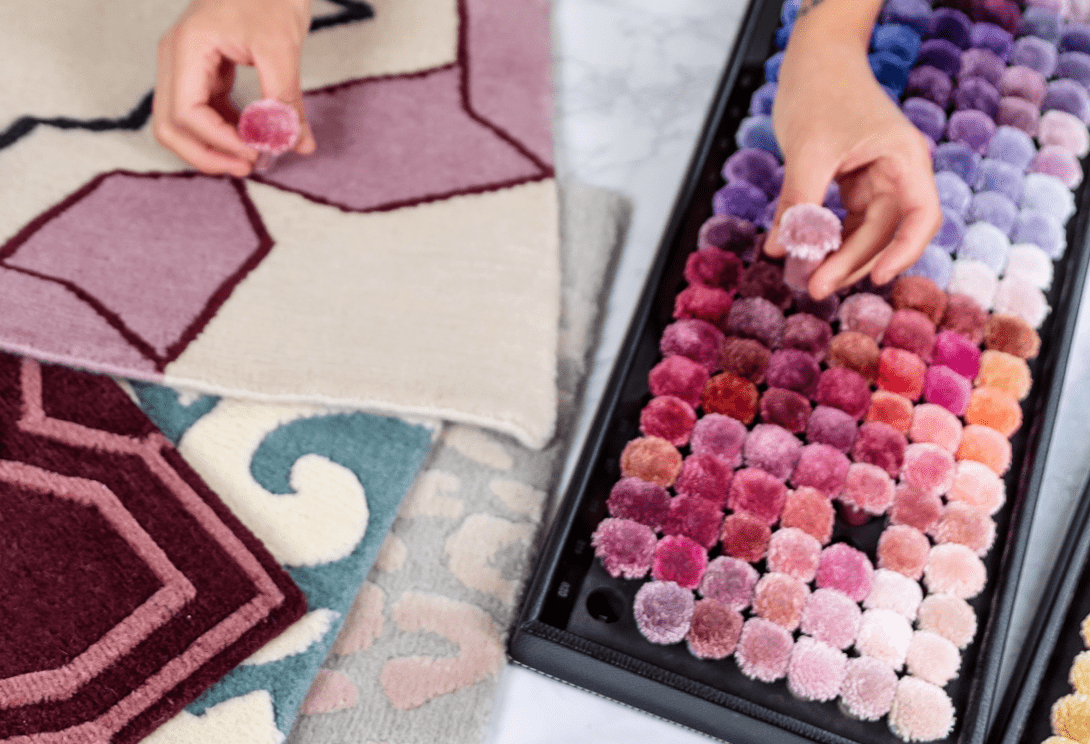
Licensing is where influence becomes income at scale. When a designer lends their name, aesthetic sensibility, or original designs to a product line—whether furniture, fabric, wallcovering, lighting, or home accessories—they create a revenue stream that isn’t tied to billable hours or active projects.
But let’s get this out of the way first: You’ll want to temper your expectations around the financial upside. Like book publishing, you need to do big numbers for the revenue to be significant.
Licensing is, on the other hand, a potent brand-builder.
A well-executed product collaboration signals to the market that your aesthetic is distinctive enough to be worth putting on a label.
It broadens your audience to consumers who may never hire you for a full project but who become brand ambassadors by living with your work in their homes.
Licensing also creates a feedback loop: products in the market generate press coverage, which brings in higher-end project inquiries, which creates demand for more licensing partnerships.
Considerations:
A poorly matched licensing deal can dilute the brand you’ve spent years building. If the product quality doesn’t reflect your standards, or the distribution channel misaligns with your positioning, the partnership can do real damage. Take licensing relationships as seriously as client relationships—vet partners carefully, negotiate meaningful creative control, and obsess about the contract.
Join us at the DIC in 2027 for advice from those who have successfully done it.
4. Books
A book is the ultimate credibility artifact. It signals that your ideas, your aesthetic, or your body of work is substantial enough to occupy permanent space on someone’s shelf. In a world of ephemeral content, a physical book is the opposite: lasting, tangible, giftable, and prestigious.
From a business perspective, a book repositions you from practitioner to authority.
Books also create downstream opportunities: speaking invitations, licensing conversations, brand partnerships, and press coverage all tend to follow publication. The book itself rarely generates significant direct revenue, but what it unlocks can.
Considerations:
- The timeline and investment required to produce a book—whether traditional or self-published—are almost always underestimated. Traditional publishing can take two to four years from proposal to shelf.
- Self-publishing is faster but requires significant production investment to achieve a quality that enhances rather than undermines your brand. Go in clear-eyed about the commitment and the real ROI, which is almost always indirect.

5. Broadcast + Streaming
Television and streaming have long been the most powerful visibility accelerators in the design industry. An appearance on a major network show can introduce your work to a significant number of people overnight—some of whom will find you online on their phone as they watch.
But broadcast influence has evolved. Beyond traditional HGTV or appearances on network television, designers build influence through various streaming platforms, YouTube channels, and other brand-produced video content. The gatekeepers are different, the budgets vary wildly, and the shelf life of content is longer than ever.
For designers, the business case is about scale. Broadcast platforms reach audiences that other channels don’t—viewers who may never browse Instagram but who watch streaming or other network content regularly.
Considerations:
Not all broadcast opportunities are equal, and some can be brand-damaging. Shows that emphasize dramatic budget constraints, rushed timelines, or manufactured conflict may generate visibility but attract clients with unrealistic expectations. Evaluate opportunities not just by reach, but by how they represent the kind of designer you want to be known as. For behind-the-scenes info and current advice, join us at the DIC in 2027.
- Your own published content—on Youtube, etc.—should be planned with your audience in mind. It’s easy to accidentally target a DIY audience with design content. If you’re looking to attract the kind of clients who outsource everything, consider weaving a bit of service-focused messaging into every video.
6. Podcasts + Speaking
Speaking—on a podcast, at a conference, in a workshop, or on a panel—is one of the most efficient influence multipliers available to designers. A single appearance on a well-matched podcast can build genuine trust through the intimacy of the medium and generate backlinks, press mentions, and social content that extend its reach for months.
Live speaking comes with its own set of benefits. Designers who are sought out as speakers are treated as experts in the room. Speaking invitations often come bundled with other visibility opportunities: press coverage, new relationships, and introductions to decision-makers who can open meaningful doors.
Speaking is particularly powerful because it puts you in front of an audience in a context of authority, not solicitation. You’re not pitching; you’re sharing expertise. The inbound that follows—from possibly collaborators and partners—feels entirely different.
Considerations:
Many designers wait until they feel “ready” to speak publicly—and that moment rarely comes on its own. Start smaller than you think you need to: local events, smaller industry panels, guesting on niche podcasts, or a local Toastmasters group. The reps matter more than the venue.
You’ll see this idea in action and learn more at the Design Influencers Conference.

7. E-Commerce
E-commerce is an influence category that has a direct financial benefit. For interior designers and architects, it can take several forms: licensed product lines (see above), curated affiliate storefronts, digital downloads (room guides, sourcing templates, design education), or physical product collections sold direct to consumers.
The business case is about diversification. A design practice built entirely on project fees is inherently fragile—it’s tied to your capacity, your geography, and economic conditions that impact renovation spending. E-commerce creates revenue streams that operate independently of your project load and can continue generating income between projects or during slower seasons.
There’s also a brand benefit: a thoughtfully curated shop or product line communicates taste and authority to an audience that may not be ready to hire you for a full project but wants access to your aesthetic. Those buyers become fans, and fans also become referral sources.
Considerations:
Building an e-commerce operation is a second business within your business, and it’s common to drastically underestimate the operational and marketing demands—inventory, customer service, fulfillment logistics, and platform management.
A full-service design firm will potentially need to market to an entirely new audience (national, higher volume, more inclined to source their own goods) in order to successfully build an e-commerce arm. This can be a perfect next step when it aligns with your goals, but it’s never ‘passive income.’
8. Social Media
Social media is the most democratic influence category, but it’s also incredibly labor-intensive.
For service-focused firms: The design and architecture firms that use social media effectively communicate a consistent point of view that attracts and nurtures the right clients. The goal isn’t necessarily high follower counts. First and foremost, it’s positioning.
For firms with other goals: The specific audience is still essential but numbers become important. E-commerce, licensing, television opportunities, book sales, and other elements of influence are considerably easier when your firm has access to an engaged audience.
Done well, a strong social media presence functions as a 24/7 portfolio, a personality showcase, and a search engine optimization tool all at once. It creates warm inbound leads from people who already feel like they know your work. It shortens the sales cycle because prospective clients arrive pre-convinced.
Like all of these arms of influence, social media also increasingly dictates how AI platforms surface design expertise.
As more clients turn to AI tools to research and vet designers, those with the most coherent, consistent, and well-documented digital presence are the ones getting recommended.
Considerations:
Chasing the wrong metrics is a reliable path to burnout. That random viral post that isn’t aligned with your ideal client profile will generate noise, not leads. Consider dividing your content into two buckets, adjusting the proportion of each as needed, and tracking specific key performance indicators (KPI’s) for each bucket:
- Audience-building posts that focus on follows, shares, entertainment, and creating brand visibility
- Conversion-focused posts that focus on services, specifics, and calls to action
Influence is infrastructure.
The goal is to build a portfolio of visibility that compounds over time—where a print feature leads to a speaking invitation, which leads to a podcast appearance, which generates a licensing inquiry, which funds the next book. Choose a starting point and go from there.
None of these categories require you to be everywhere all the time. What they ask of you is intentionality: understanding which channels are most aligned with where you want to go, investing in them with the same rigor you bring to your design work, and treating your influence the way you treat your portfolio—as something worth building, curating, and protecting.
The business of design has always rewarded great work. But in the modern landscape, it rewards visible great work. That visibility is learnable and buildable.
Where can you go for specifics?
The Design Influencers Conference is where interior designers and architects go to build influence—to get education from and access to media decision-makers, accomplished owners, and industry experts who have navigated every one of these categories. Join us March 1–3, 2027 in Atlanta, GA.